Planets with a webcam and Dobsonian
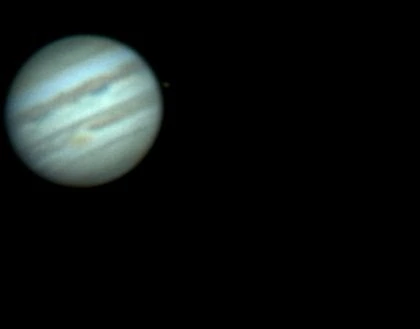
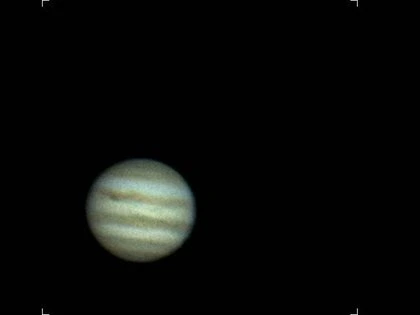
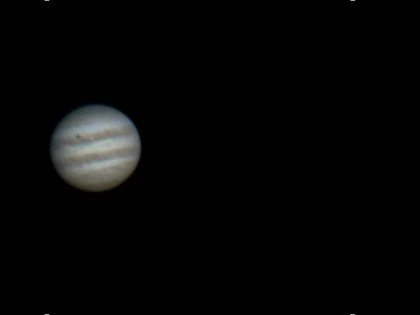
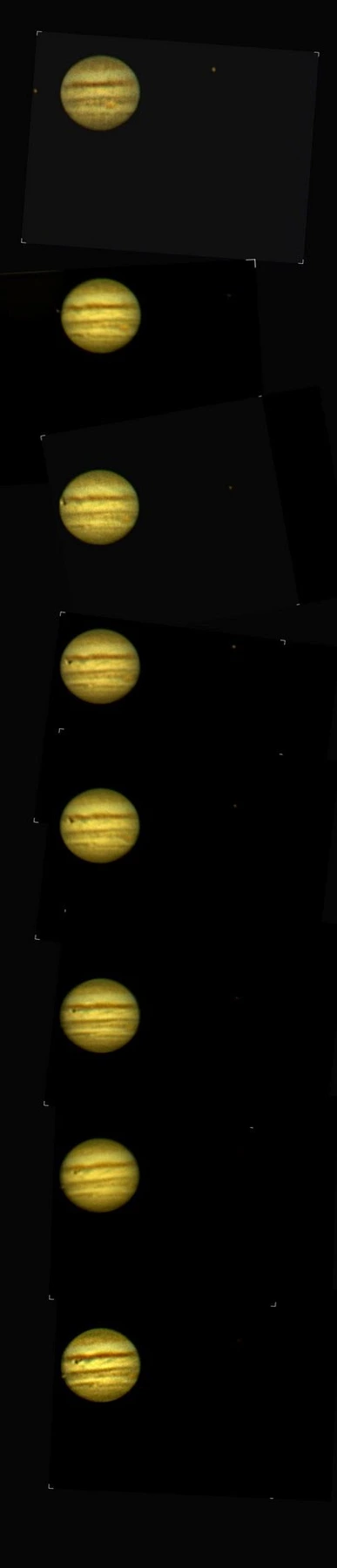
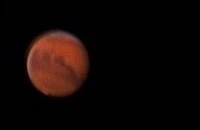
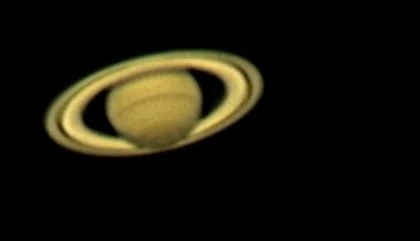
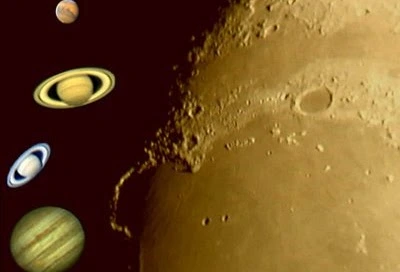
My early planetary images used a 10-inch Dobsonian telescope, 3× Barlow lens and unmodified Philips ToUCam. I later also used a Quickcam 9000. These photographs and equipment notes document that earlier project.
Tracking the ISS by hand
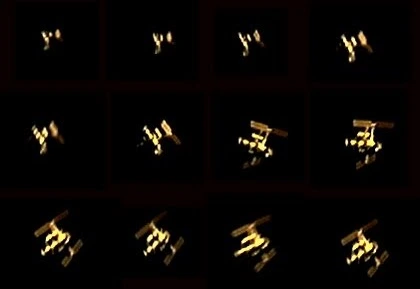
The ISS series used a Philips ToUCam on the 10-inch Dobsonian, tracked by hand using the finder. I compared seeing the station at roughly 400 km altitude with watching a small ant scurrying very quickly at the far end of a living room: a tiny apparent target moving quickly across the sky.
The station in motion
My video “ISSvideo020608” shows the pass on 2 June 2008, with the telescope tracked by hand.
Three historical AVI videos document Discovery STS-124 on 1 June 2008, an ISS pass on 1 June 2008, and the ISS with Discovery on 2 June 2008. The videos remain separate external files; the photographs and description are available locally here.
Deep sky with Watec 120N
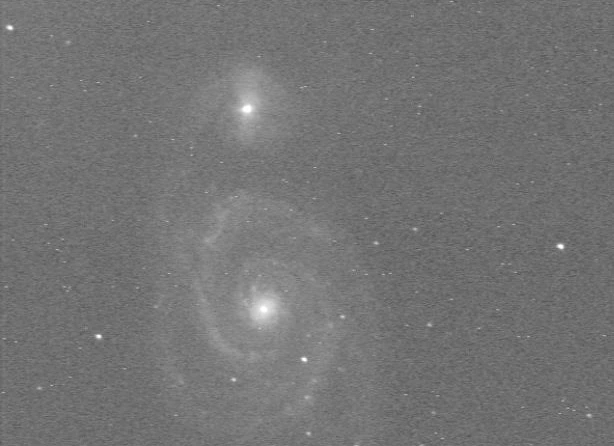
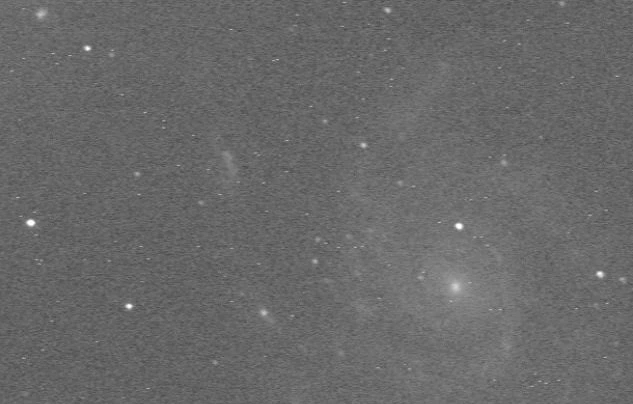
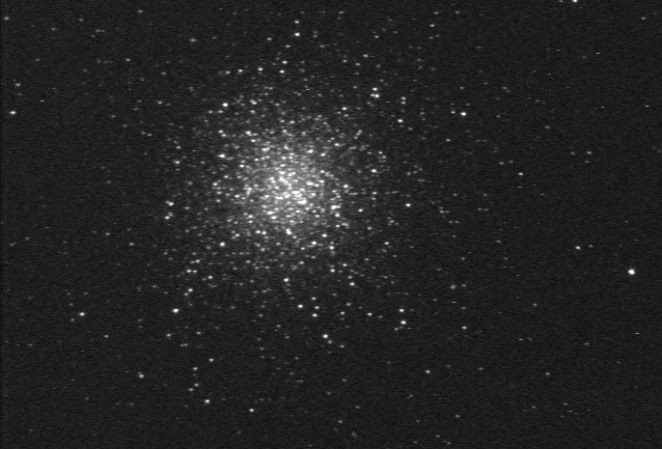
For sensitive live deep-sky imaging I used a Watec 120N, also known as Stellacam II, on the Dobsonian. M82 and M3 illustrate the live results. M51 provides a comparison of untracked and tracked exposures.
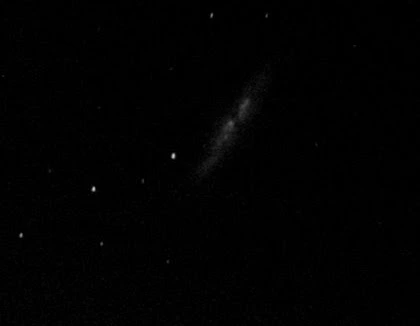
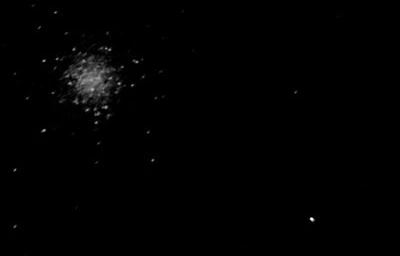
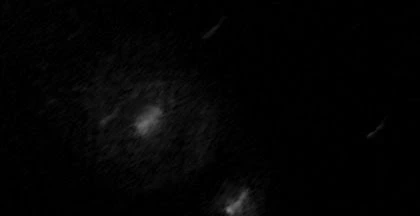
Home-built equatorial platform
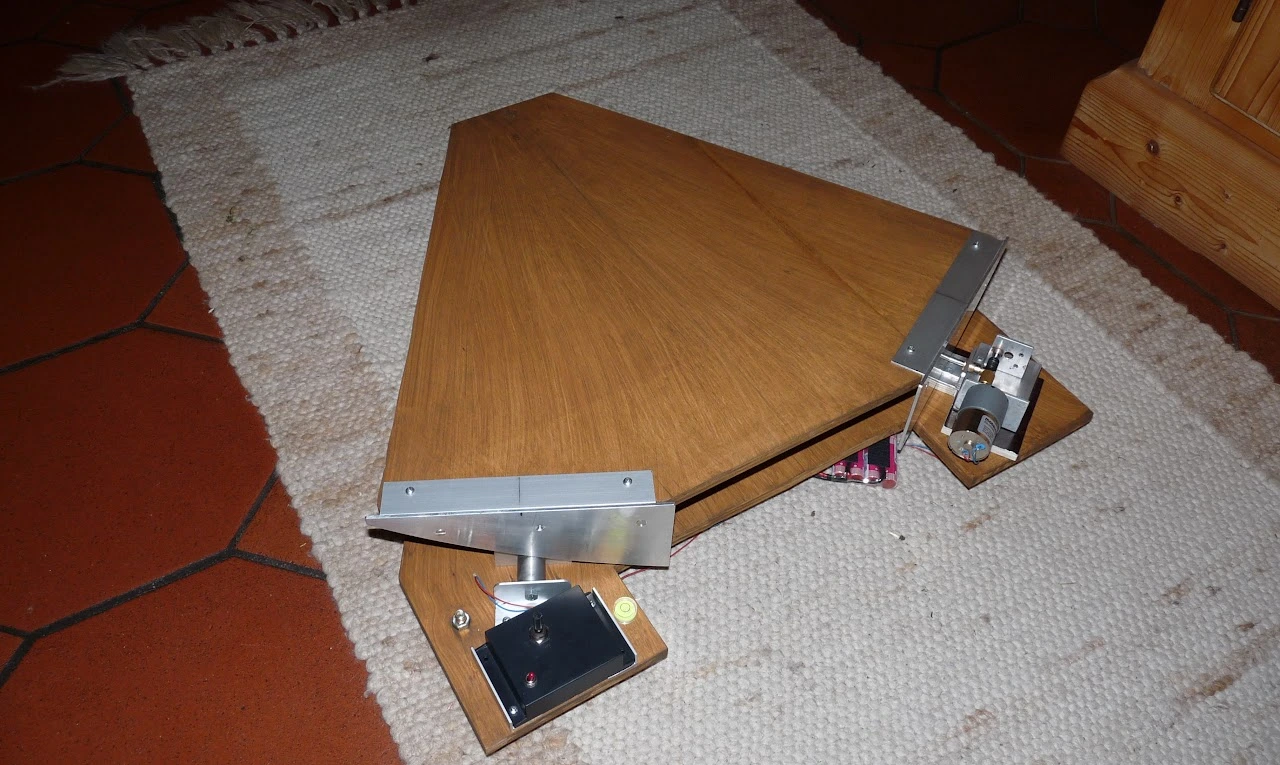
I built an equatorial platform for my Galaxy D10 Dobsonian in less than a week, adopting Reiner Vogel’s VNS (Virtual North Segment) approach. Even before full optimization it worked well for planetary tracking and deep-sky video astronomy. See Reiner Vogel’s platform construction.
Original videos
Videos open separately on Google Drive; the original sharing or sign-in settings may apply.